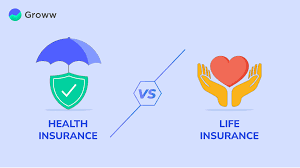
When it comes to financial planning, insurance is one of the most important safety nets you can build for yourself and your family. However, many people often get confused between health insurance and life insurance—two very different but equally critical tools. While both offer protection, they serve distinct purposes. This article explores their differences, benefits, and helps you decide which one you truly need—or whether you should consider both. Health vs Life Insurance
Understanding the Basics
What is Health Insurance?
Health insurance is a contract between you and an insurance company where you pay premiums, and in return, the insurer covers a significant portion of your medical expenses. These include hospitalization, surgeries, prescriptions, preventive care, and sometimes even mental health services. Health vs Life Insurance Health vs Life Insurance
- Primary Purpose: To protect against high medical costs.
- Coverage Examples: Hospital bills, doctor visits, medications, preventive care, diagnostic tests.
- When It Helps: When you face unexpected illnesses, accidents, or chronic medical conditions.
What is Life Insurance?
Life insurance provides financial support to your dependents in case of your untimely death. You pay regular premiums, and if you pass away during the policy term, your beneficiaries receive a death benefit.
- Primary Purpose: To protect your family’s financial future.
- Coverage Examples: Income replacement, debt repayment, mortgage coverage, education expenses for children. Health vs Life Insurance
- When It Helps: When your family relies on your income or you have long-term financial obligations.
Health Insurance vs Life Insurance: Key Differences
| Feature | Health Insurance | Life Insurance |
|---|---|---|
| Focus | Covers medical expenses | Provides financial support after death |
| Payout Type | Reimbursement or direct hospital payments | Lump sum payout to beneficiaries |
| Beneficiaries | Policyholder (you) | Your family or dependents |
| When It Pays | During your lifetime (for medical expenses) | After your death |
| Duration | Usually annual, renewable | Long-term (10, 20, or lifetime) |
| Tax Benefits | Deduction on premiums (varies by country) | Tax-free death benefit to beneficiaries |
Why Health Insurance Matters

Healthcare costs are rising globally. In the United States, the average hospital stay costs more than $10,000, while in countries like India, even private hospitalization can push middle-class families into debt. Without health insurance, a single medical emergency could drain your savings. Health vs Life Insurance
Example: Consider John, a 35-year-old software engineer. He suffers an unexpected appendicitis attack, and the surgery bill amounts to $15,000. With health insurance, he only pays a small deductible, and the insurer covers the rest. Without it, John would need to dip into his emergency fund or take on debt.
Key Benefits of Health Insurance:
- Reduces out-of-pocket expenses during medical emergencies.
- Offers preventive care, ensuring long-term health.
- Provides peace of mind against unforeseen illnesses.
- Protects savings and prevents financial instability.
Why Life Insurance Matters
Life insurance is about safeguarding your loved ones. Imagine the financial struggles your family would face if your income suddenly stopped due to an unexpected death. Health vs Life Insurance
Example: Sarah, a mother of two and the primary earner, passes away in a car accident. Without life insurance, her family is left struggling with mortgage payments, children’s education, and day-to-day expenses. However, with a life insurance policy worth $500,000, her family receives a lump sum to maintain financial stability.
Key Benefits of Life Insurance:
- Provides a safety net for dependents.
- Helps cover major expenses like mortgages, loans, and tuition fees.
- Replaces lost income and supports lifestyle continuity.
- Offers peace of mind knowing your loved ones are protected.
Which One Do You Really Need?
The answer depends on your life stage, financial situation, and family responsibilities.
If You’re Young and Single
- Priority: Health Insurance.
- Reason: You may not have dependents yet, but you need protection from medical costs.
If You’re Married with Children
- Priority: Both Health and Life Insurance.
- Reason: You need health coverage for yourself and your family, plus life insurance to safeguard their future. Health vs Life Insurance
If You’re Nearing Retirement
- Priority: Health Insurance (must-have). Life insurance only if you still have financial dependents.
- Reason: Medical costs rise with age, and your family may no longer rely on your income.
Expert Insights
Financial planners often recommend a balanced approach:
- Start with health insurance as early as possible to lock in lower premiums.
- Add life insurance when you have dependents or major financial obligations.
- Consider term life insurance—it’s affordable and offers high coverage.
- Review policies regularly as your financial needs evolve.
Research-Backed Data
- According to the Kaiser Family Foundation (2023), nearly 60% of bankruptcies in the U.S. are linked to medical expenses. Health vs Life Insurance
- A Life Happens & LIMRA (2022) study found that 42% of Americans would face financial hardship within six months if the primary wage earner passed away.
- Global insurance reports show that households with adequate coverage recover financially 70% faster after crises compared to those without insurance. Health vs Life Insurance
Common Misconceptions
“I’m healthy, so I don’t need health insurance.”
Unexpected accidents or sudden illnesses can happen to anyone, regardless of current health.
“I’m young, I don’t need life insurance.”
Buying life insurance early locks in lower premiums and ensures coverage before potential health issues arise.
“My employer’s insurance is enough.”
Employer-provided coverage often ends when you change jobs or retire, and it may not be sufficient for your family’s long-term needs. Health vs Life Insurance
How to Choose the Right Policy
Health Insurance Tips
- Compare coverage options (hospitalization, critical illness, outpatient care).
- Check network hospitals and claim settlement ratios.
- Consider family floater plans for cost-effective coverage.
Life Insurance Tips
- Choose between term insurance and whole life insurance.
- Calculate coverage as at least 10–15 times your annual income.
- Ensure premiums are affordable long-term.
The Bottom Line
Choosing between health insurance and life insurance isn’t a matter of “either-or.” They serve different but complementary purposes. Health insurance protects your wealth during your lifetime, while life insurance protects your family’s financial future after your death. Health vs Life Insurance
For most individuals, the right approach is not choosing one over the other, but building a strategy that incorporates both. Start small, grow your coverage as your responsibilities expand, and review regularly to keep your financial safety net strong. Health vs Life Insurance
Final Recommendation
If you’re just starting out, begin with health insurance to secure yourself against rising medical costs. As you take on responsibilities like marriage, children, or loans, add life insurance to protect your loved ones. Together, these two tools form the foundation of a strong financial plan.